
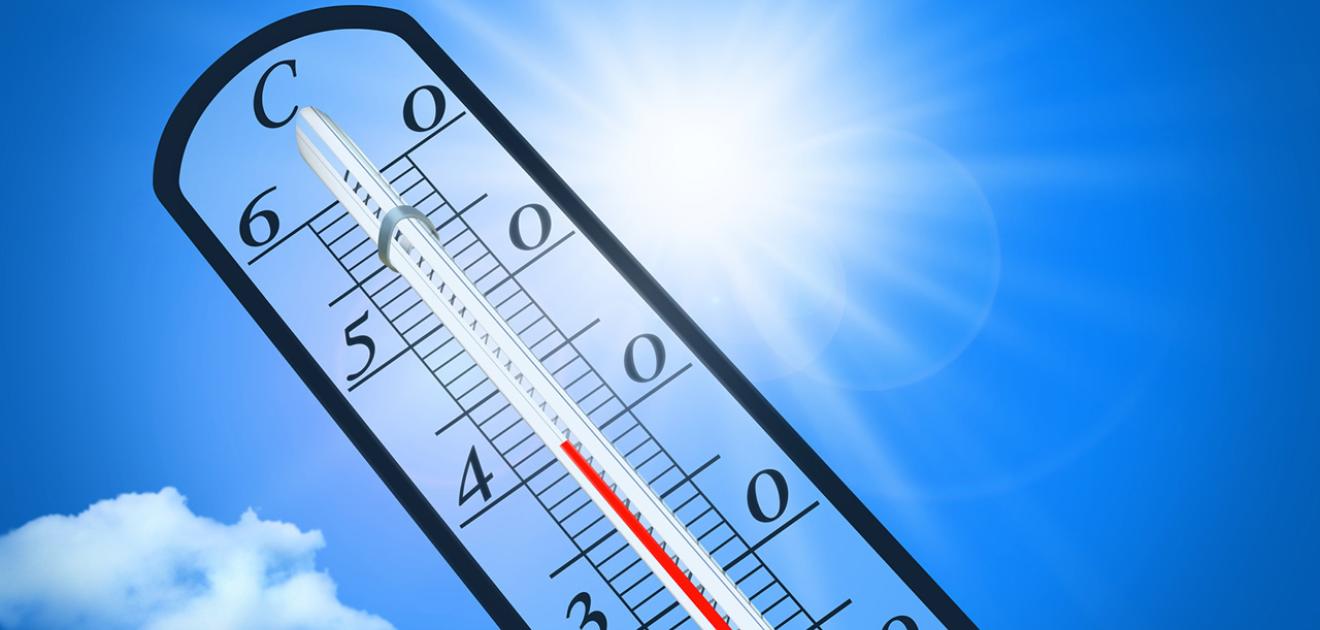
Extreme heat wave: Everyone needs to take precautions
Météo France is maintaining an orange heat wave alert for most of the country and has announced that a red alert will be issued for certain departments.
Temperatures will also be very high in the departments under an orange heat advisory. This heat wave—which is exceptional due to its early onset and the extreme intensity of the heat both day and night—requires us to adjust our behavior to protect ourselves and ensure we can continue to care for the most vulnerable people around us. Here’s a reminder of some simple tips to follow…
This early heatwave, arriving while children are still in school, requires a reevaluation of certain daily habits. You should adjust your lifestyle (prioritizing cooler hours) and limit physical activity, plan your travel arrangements (especially for vacation departures), and carry water and a spray bottle with you.
In fact, the heat is harder to bear when it arrives early in the summer because the body isn’t yet used to it, even for healthy people. It is therefore essential to avoid exposure to the heat, to drink plenty of fluids, and to cool off by wetting your skin (showers, damp cloths, etc.). It is helpful to rest for a few hours each day in cooler rooms (25–26°C).
This heat wave is characterized by very high nighttime temperatures, which make it difficult to rest. Keep your home cool by opening windows early in the morning and closing windows and shutters during the day.
In departments under orange and red alerts, serious health effects may affect the entire population living in or passing through these areas, including healthy individuals, if they do not follow the safety recommendations. Physical
activity should be avoided, or at least limited, and if absolutely unavoidable, should be scheduled for the coolest hours of the day.
To best combat the effects of the heat across all departments, whether under yellow, orange, or red alerts, Santé publique France lists several recommendations:
Precautions to Take
Drink water regularly without waiting until you’re thirsty;
Cool off and wet your body (at least your face and forearms) several times a day;
Eat enough and avoid alcohol;
Avoid going out during the hottest hours of the day and spend several hours a day in a cool place (movie theater, public library, supermarket, museum, etc.);
Avoid physical exertion;
Wear loose-fitting, lightweight, light-colored clothing, and if you go outside, protect yourself from the sun (sunglasses, hat, sunscreen);
Keep your home cool (close windows and shutters during the day; open them in the evening and at night if it’s cooler);
If you use public transportation, remember to bring water and a spray bottle with you and make sure children stay hydrated
Be sure to check in regularly with your loved ones and, whenever necessary, don’t hesitate to ask for help;
For real-time information, you can consult the Météo-France heat advisory map, which is updated at least twice a day at 6 a.m. and 4 p.m.: http://vigilance.meteofrance.com.
Regarding workers
In light of the heat wave currently affecting France, the Ministry of Health, in collaboration with Santé publique France and the Occupational Health Inspectorate, urges vigilance for workers most at risk.
In the car and during long trips
Remember to bring water and a spray bottle with you on car trips;
Stop regularly to rest and cool off;
At some highway rest areas, water fountains or misting stations are available;
If possible, schedule your trip for cooler times of day;
Never leave anyone alone in a car, especially a child, as the temperature inside the vehicle can rise very quickly.
If you experience warning signs (cramps, unusual fatigue, nausea, vomiting, headaches, etc.)
Stop all physical activity and move to a cool place
Drink
Cool off with a damp cloth, a spray bottle, a shower, etc.
Call a doctor if symptoms persist for more than 1 hour, worsen, or if you have a heart condition
If you see someone who is feeling unwell, speaking incoherently, or has a fever, call 911
Everything You Need to Know About Behavioral and Prevention Guidelines
These guidelines apply to everyone, including healthy individuals, because this affects us all.
They apply particularly to vulnerable individuals (people over 65, people with disabilities or illnesses, dependent individuals, pregnant women, young children, homeless people, etc.) and to workers exposed to heat, who are at higher risk of complications.
It is important to protect children during school hours by encouraging them to drink and cool off by wetting their skin. They should also be encouraged to stay in the shade and avoid physical activity.
Be aware of heatstroke and dehydration
Every year during heat waves, there is an increase in medical care sought for symptoms specifically or largely due to heat exposure:
Hyperthermia or “heatstroke”: a person who does not sweat enough experiences a rise in body temperature and cannot maintain a temperature of 37°C. This risk primarily affects newborns, young children, and adults particularly exposed to heat (athletes or outdoor workers) and can have serious consequences.
Dehydration: A person who sweats and does not drink enough becomes dehydrated (the body lacks water). Older adults are most at risk for this condition.
See also:
Understanding and preventing the health impacts of heat in the context of climate change. Weekly Epidemiological Bulletin No. 16-17.
Climate Change Report
Heat Wave Dossier
Advice for parents of young children: