thematic dossier
Climate
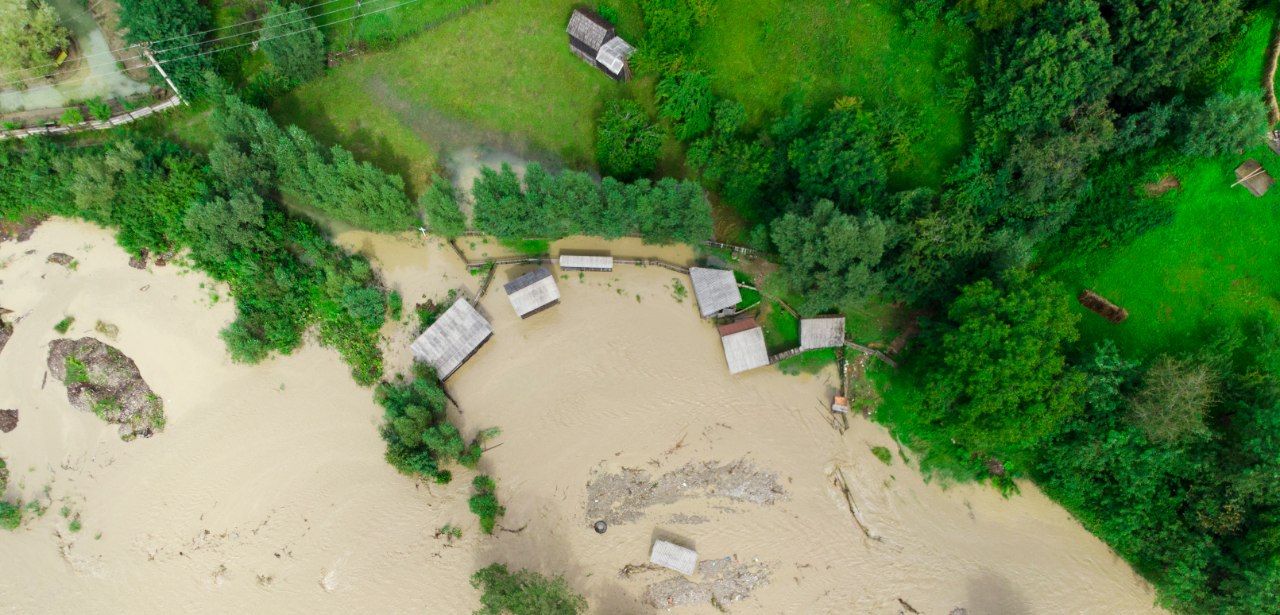
De fortes variations climatiques peuvent avoir des conséquences sanitaires et environnementales dramatiques. Les conséquences sur la santé peuvent être physiques ou psychologiques.
Over the past decade, public health challenges have intensified: an increase in health crises, climate change, growing social and regional health disparities, and an aging population. In the face of these changes, Santé publique France has adapted, innovated, and taken action. A look back at a decade of action.
In 2016, France decided to create a national agency serving as a center of reference and scientific expertise in public health, dedicated to the health of all and operating throughout the country. Its missions include monitoring the health status of populations, identifying risks, issuing alerts, preventing crises, and responding to them. The agency’s strength lies in bringing together multidisciplinary teams and partners who are closely attuned to local realities.
These missions have been put to the test by a decade of mounting challenges. The COVID-19 pandemic has been the most demanding health crisis of all. By mobilizing its regional teams, the Health Reserve, the Pharmaceutical Agency, its scientific partners, and its surveillance systems, the agency rose to the challenge, innovated, and produced 150 health indicators available as open data to inform decision-makers and citizens in real time. This demonstrates what can be achieved through the integration of scientific expertise, local roots, and collective effort. It is this ability to produce, share, and make reliable data accessible that has established the agency’s legitimacy and made its actions possible.
Cyclone Chido’s passage through Mayotte presented a multifaceted challenge—particularly in terms of logistics, human resources (mobilization of the agency’s reservists and epidemiologists), and the deployment of specific surveillance measures— unprecedented actions carried out in a particularly difficult context, further illustrating the agency’s commitment to serving the region.
Generating scientific knowledge is not enough; it must be translated into action. This is the principle that guides Santé publique France’s approach: producing robust, region-specific, and accessible data to support public policies and promote prevention efforts, and then translating that data into concrete measures that benefit the public.
Over the past ten years, the agency’s surveillance capabilities have evolved significantly. The Sum’Eau system, which detects viral circulation in wastewater systems without relying on screening tests, was piloted during the Paris Olympic Games for six pathogens. The Orchidée project provided near-real-time surveillance of severe forms of respiratory infections using hospital data repositories. The Odissé portal makes health indicators for 90 diseases available to the public as open data. These innovations, born from the work of the agency’s teams and their partners, strengthen the agency’s ability to issue earlier alerts and guide public policy decisions more effectively.
Prevention has followed the same trajectory. The Nutri-Score, adopted in seven European countries and used by 91% of the French population, or “Smoke-Free Month”—with 1.4 million registrations since 2016 and which saves 7 euros in healthcare costs for every 1 euro invested—demonstrate the ability to develop initiatives whose impact on changing behavior is both effective and measurable. Information initiatives such as “1,000 First Days” or mental health campaigns follow the same logic: tools tailored to the populations least likely to engage in prevention, implemented in partnership with local stakeholders.
Santé publique France was built on a model capable of generating robust data and translating it into actionable insights. It has the experience to meet the challenges of the new decade, with the support of a dedicated network of partners.
What the agency has built over the past ten years—its tools, methods, networks, and partnerships—prepares it for the challenges ahead.
The “One Health” approach provides a framework for an integrated approach to human, animal, and environmental health, as illustrated, for example, by the surveillance and prevention of antibiotic resistance, the Albane and PestiRiv studies, as well as the SAGA (active surveillance of avian influenza) and SUM’EAU initiatives, in coordination with the relevant ministries and ANSES.
It reflects a conviction deeply rooted in the agency’s strategy: major health threats (infectious disease outbreaks, the impacts of climate change, and environmental exposures) cannot be addressed in isolation.
To address these challenges, the modernization of surveillance systems continues: early detection of weak signals, modeling of epidemic dynamics, and analysis of big data. Artificial intelligence, already being implemented through a partnership with Mistral and the internal Innovation Lab—an incubator for innovative ideas and projects launched with about 100 employees—is contributing to this effort.
In a world facing significant health pressures, Santé publique France will continue to build a strong public health system in collaboration with all its partners in France and internationally, and in the service of all populations.

thematic dossier
Health inequalities affect the entire population across the country and across the social spectrum, and can emerge at a very young age. Measures that promote equal opportunities for...
thematic dossier
Climate change is rapidly and profoundly altering the environment. The health impacts of climate change are numerous and varied.
thematic dossier
De fortes variations climatiques peuvent avoir des conséquences sanitaires et environnementales dramatiques. Les conséquences sur la santé peuvent être physiques ou psychologiques.